
What do we do?
We adapt boiler water KCAQUA 303, we provide protection for condensers and cooling circuits, we select biocides, corrosion inhibitors and antiscalants for the real load of the plant.
Industries, installations, processes
Steam boilers, cooling, washing, technology water and energy recovery are controlled by KABI CHEMIE engineers. That's why we're not selling one scheme, just a program that matches the real work of a plant.
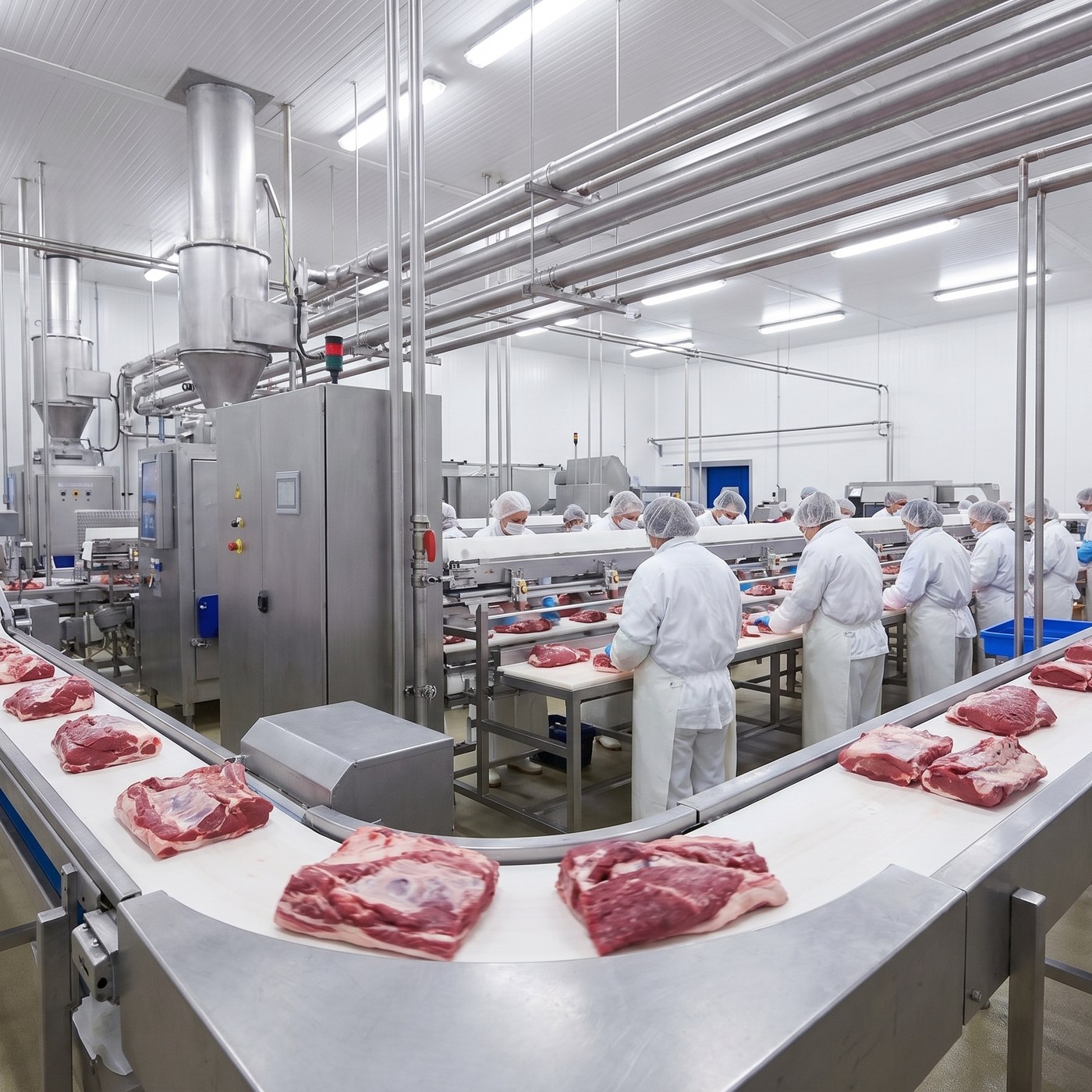
Meat and poultry establishments
In meat and poultry processing water works in boiler room, cooling, washing, washing and auxiliary installations. scale, biofilm, or corrosion quickly shift from technical problem to downtime, higher steam consumption and risk to production schedule.
We adapt boiler water KCAQUA 303, we provide protection for condensers and cooling circuits, we select biocides, corrosion inhibitors and antiscalants for the real load of the plant.
Hardness, pH, conductivity, blowdown, iron, sediments, biofilm, make-up water quality, dosing pump operation and cleaning history.
Less scale in the boiler, more stable cooling, lower water and wastewater volumes, and fewer emergency cleanings during production.
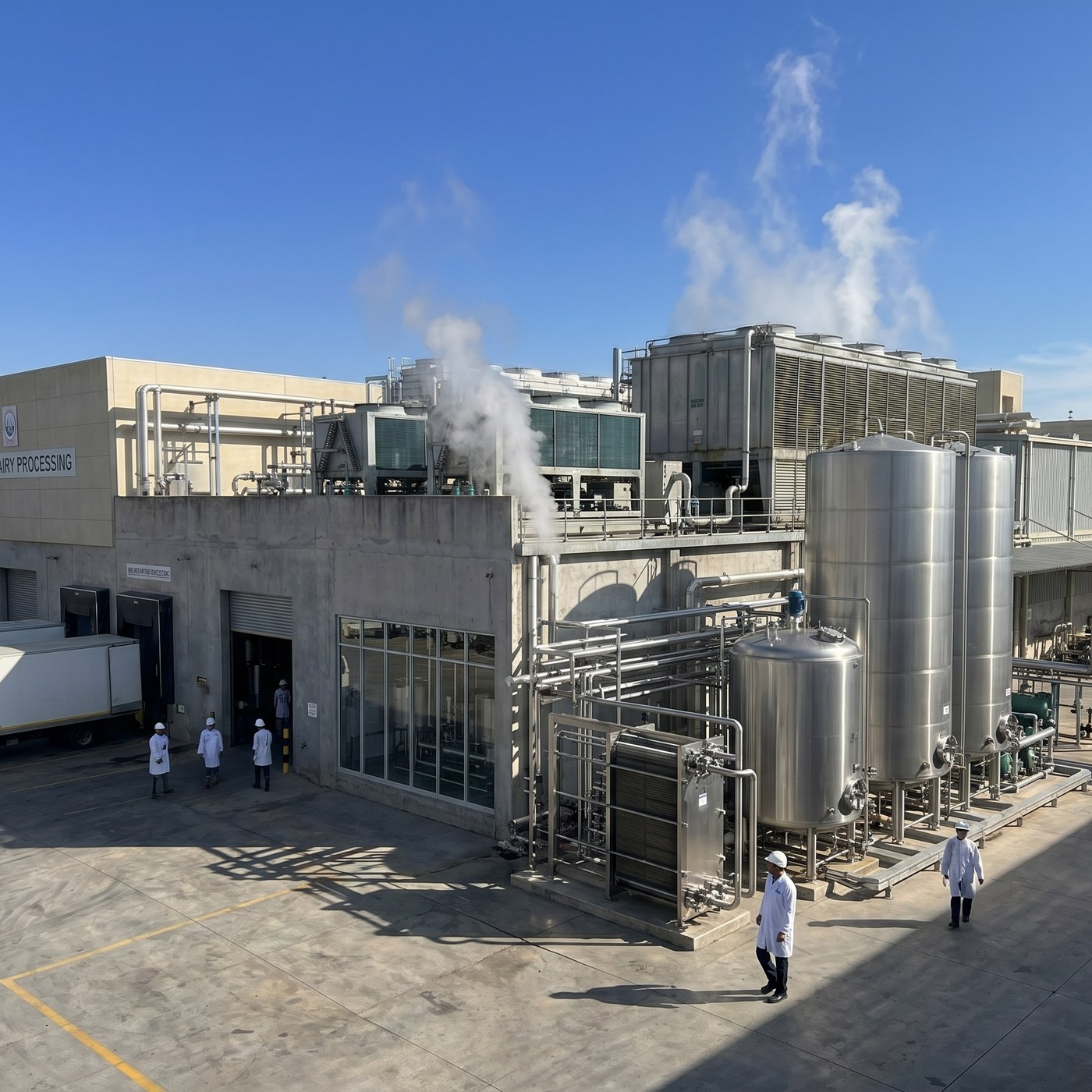
Milk and milk processing
Milk mills work on pasteurization, exchangers, boiler rooms, ice water, CIP and technological water. Heat exchange surfaces mean longer cycles, higher energy costs and more difficult stabilisation of process parameters.
We select a program for steam boilers, exchangers, cooling circuits, RO station and washing water. If necessary, we plan chemical cleaning and surface passivation.
Conductivity, hardness, alkalinity, chloride, iron, scale risk, blowdown work and water quality impact on CIP and heat exchange.
More stable heat processes, lower downtime risk, less sludge in exchangers and better control of steam and cold costs.
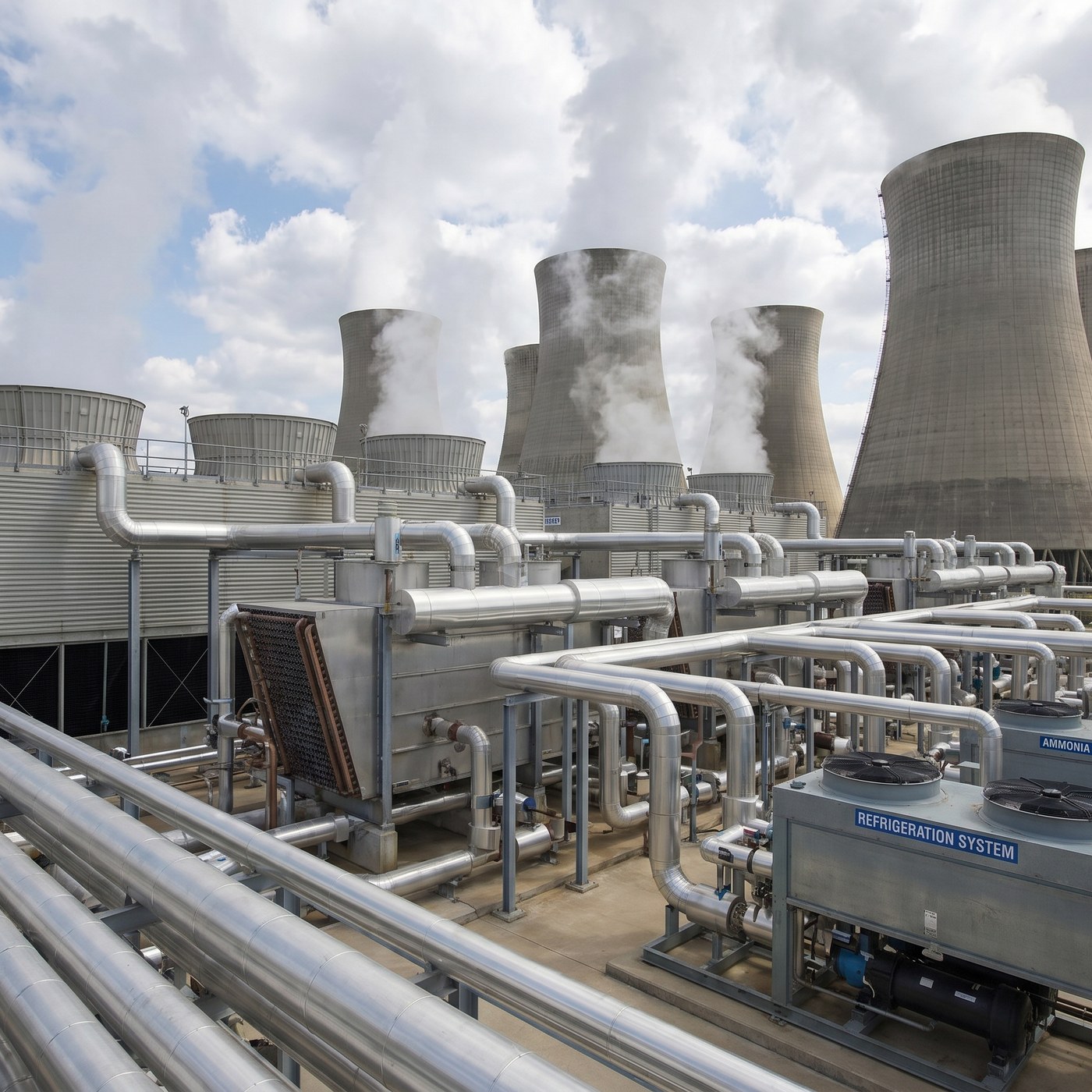
Cooling and cooling circuits
In cold stores and drippers, the problem is scale, biofilm, white corrosion and too conservative blowdown. Each of these factors worsens heat exchange, increases energy consumption and reduces the time between cleaning.
We use KCAQUA 305, biocides, corrosion inhibitors and antiscalants for BAC condensers, EVAPCO, cooling towers and spray circles.
Cycles of concentration, conductivity, pH, hardness, sediments, microbiology, iron, operation of blowdown automation and consumption of make-up water.
Better heat exchange, less make-up water, less sewage, stable process temperature and less risk of zinc corrosion.
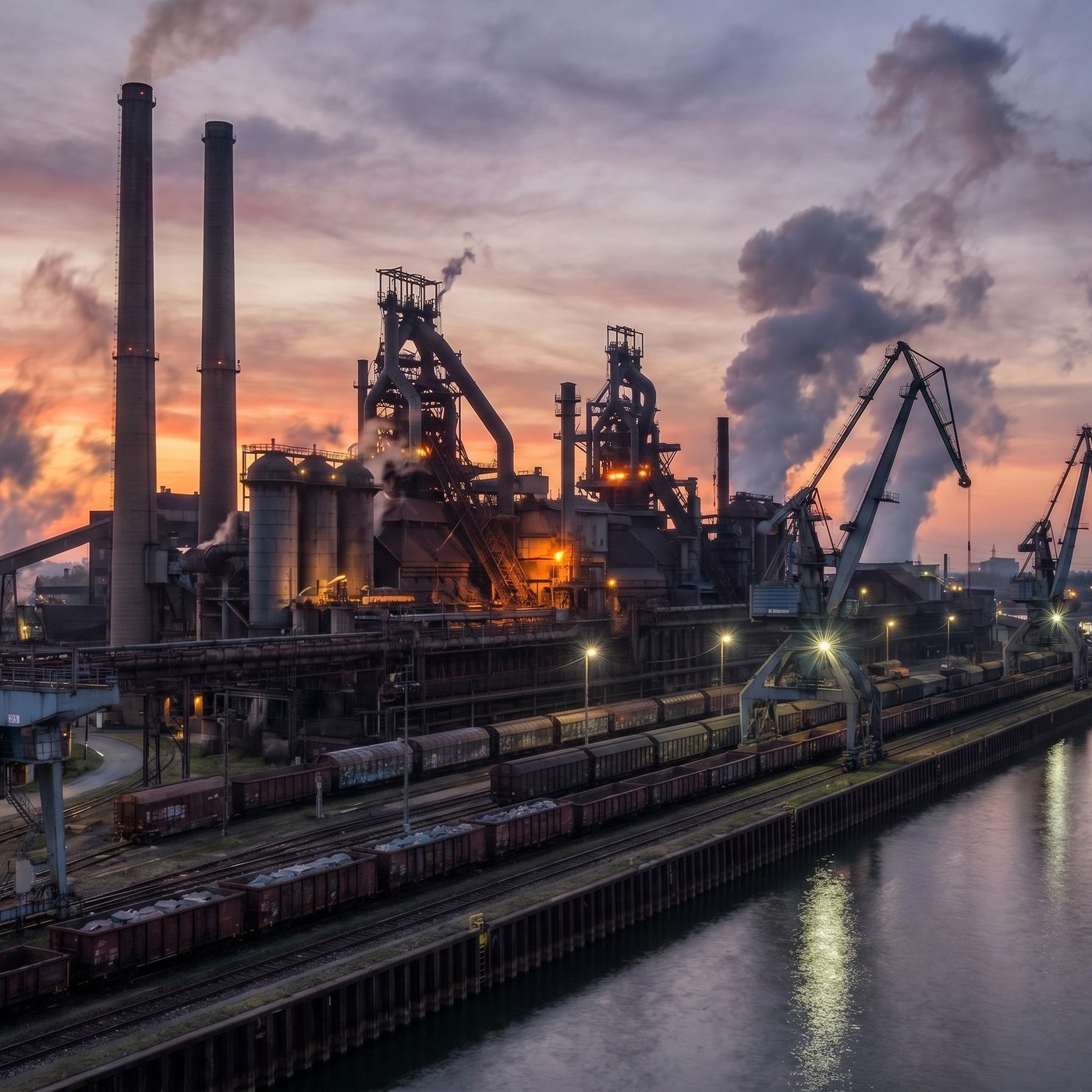
Heavy industry
Huts, mines, power and heavy plants work on high heat loads, dust, variable water quality and high downtime costs. The stability of the program, rapid diagnosis and protection of the installation against corrosion and sediment are important.
We protect cooling circuits, boilers, exchangers and pipelines. We select corrosion inhibitors, anti-scalants, chemical cleaning, and passivation after removal of sediments.
pH, conductivity, chloride, iron, suspension, hardness, sediment, point corrosion, metal defects and stability of parameters at variable load.
Longer installation life, fewer failures, better availability of production and more control over media costs.
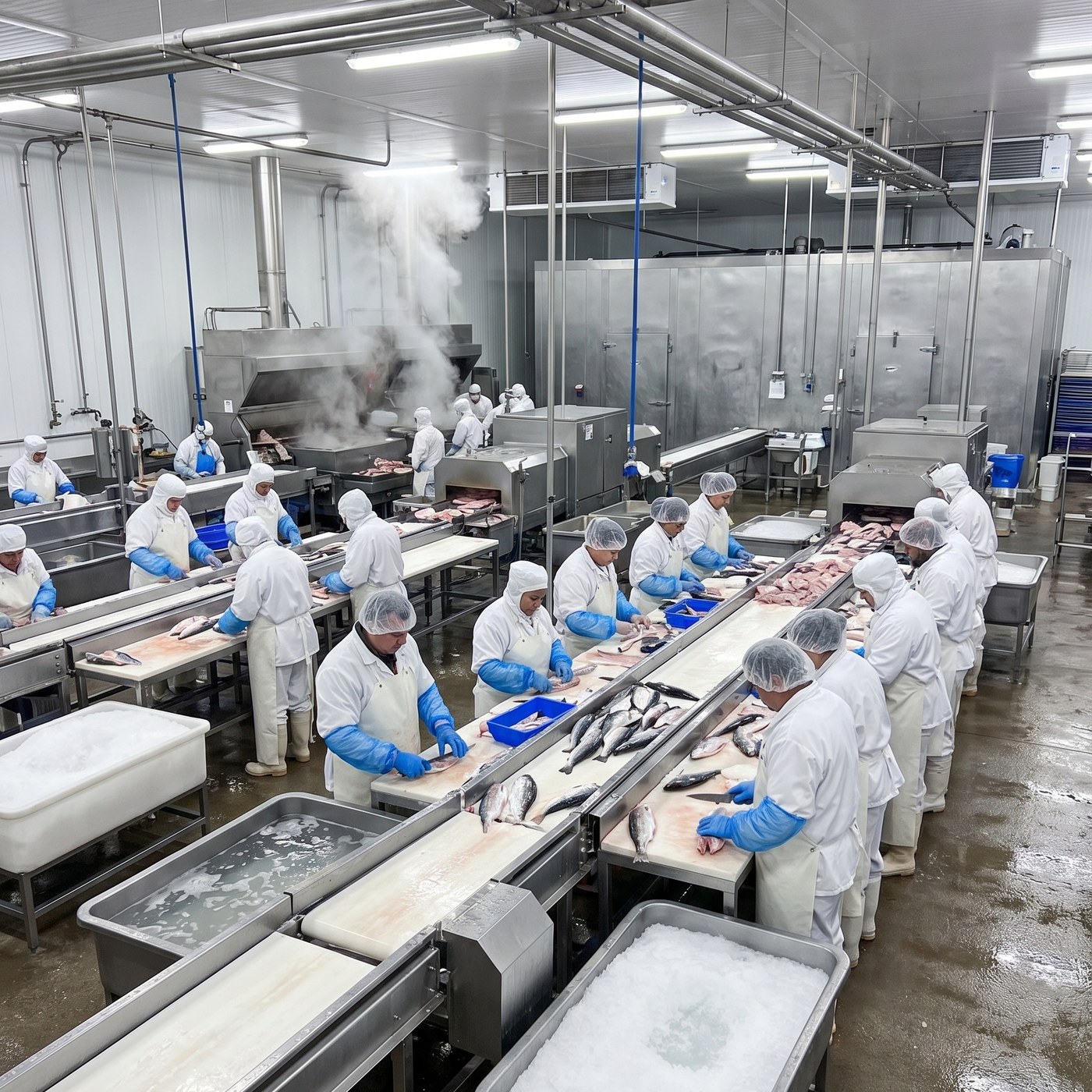
Food producers
Food manufacturers combine several circuits at once: steam, cold, washing water, process water, RO and sewage. That is why the programme should cover the entire installation map, not just one dosing point.
We combine water analysis, selection of KCAQUA, correction of dosing, monitoring and recommendations for boilers, refrigeration, RO and technological water.
Quality of raw water, filtration, conductivity, hardness, TDS, chlorides, water consumption, sewage and impact of parameters on the repeatability of production.
Less media cost, more stable production, simpler reporting and less decisions made only after the accident.
Savings and certifications
We don't promise the same number to every bet. We verify installation parameters, media costs and the current way of working. If the energy effect meets the requirements, we help collect the data needed to talk about white certificates.
Describe the installation and the symptom. We will show where water generates costs and where to start: water analysis, technical audit, dosing correction, chemical cleaning or savings calculation.